

Radiologic Technologists at Children's: Where Your Career Can Go After You Get Started
Every healthcare career begins somewhere. For many imaging professionals, that starting point is radiologic technology. At Children's of Alabama, however, the role can be much more than an entry point. It can be the foundation for a long-term career that combines technical expertise, compassionate patient care, continuous learning, and opportunities to explore specialized areas of pediatric imaging.
As Children's of Alabama celebrates Radiologic Technology Week, we're also recognizing the professionals who help physicians diagnose injuries, illnesses, and medical conditions every day. Radiologic technologists play a critical role in patient care, producing the diagnostic images physicians rely on while helping children and families feel comfortable throughout the process.
For those considering a career in radiologic technology, Children's of Alabama offers a unique environment where employees can develop specialized skills, work exclusively with pediatric patients, and continue growing professionally over time.
More Than Taking Images
Radiologic technologists are responsible for performing imaging exams that help physicians diagnose and monitor medical conditions. Their work requires a combination of technical knowledge, attention to detail, communication skills, and compassion.
At Children's of Alabama, those skills are especially important because every patient is a child.
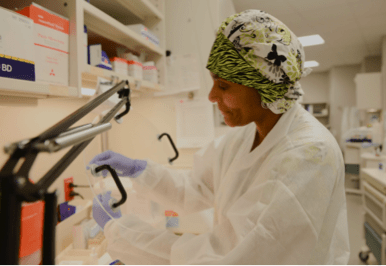
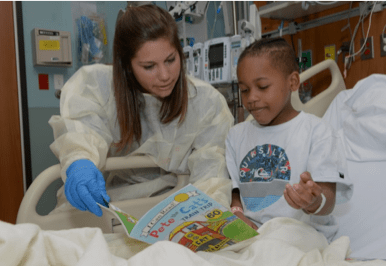
"Getting to help a child and making them smile during a time when they don't have much to smile about is a great reward in life," said Diana Nuñez, a radiology technologist at Children's. She added that she didn't initially set out to work with children, but her clinical rotation at Children's of Alabama made it clear that this was her path.
The Imaging Department at Children's is the only imaging department in Alabama devoted exclusively to the needs of children. Equipment is selected specifically with pediatric patients in mind, allowing technologists and imaging teams to provide the lowest possible radiation dose appropriate for a child's age and body type. Learn more about Radiology and Imaging at Children's.
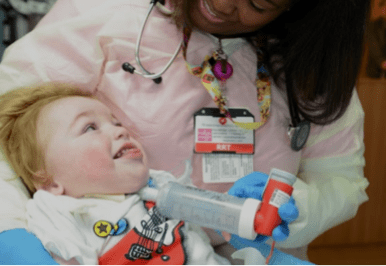
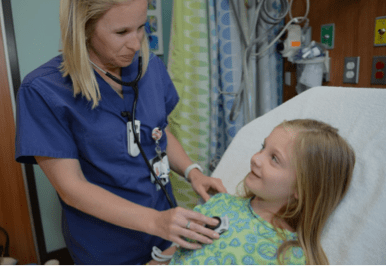
Working in pediatric imaging requires more than mastering imaging technology. Technologists must know how to communicate with patients ranging from infants to teenagers, helping them feel safe and understood during procedures that may be unfamiliar or intimidating.
Children's has designed its imaging experience with those needs in mind. Young patients may watch movies during MRI exams or use an iPad during certain procedures to help reduce anxiety and create a more comfortable experience.
That child-centered approach gives radiologic technologists an opportunity to make a meaningful difference beyond the technical aspects of their work. Every interaction can help ease fears, build trust, and create a better experience for children and their families.
Building a Career in Pediatric Imaging
While many professionals begin their careers performing general radiologic exams, imaging offers numerous opportunities for continued growth and development.
At Children's, technologists work alongside pediatric-trained physicians, nurses, and board-certified pediatric radiologists who specialize in pediatric imaging. That environment exposes employees to a wide variety of imaging procedures and patient needs, allowing them to deepen their expertise while learning from experienced pediatric specialists.
For many technologists, career growth involves expanding beyond their initial role by learning new technologies, gaining additional certifications, or pursuing opportunities in specialized imaging areas. As healthcare technology continues to evolve, imaging professionals can continue developing skills that broaden both their responsibilities and career possibilities.
At Children's of Alabama, that growth can also mean taking on new responsibilities and leadership roles within the department.
"Radiologic technologists have opportunities to grow into roles such as mentors, trainees, senior technologists, and lead technologists," says Latasha Traylor, a supervisor in radiology at Children's of Alabama. "A senior technologist has at least two years of experience and has mastered all areas of X-ray. For those interested in leadership, there may also be opportunities to become a lead technologist."
These opportunities allow employees to build on their existing experience while taking on new challenges and helping support the development of their colleagues.
Exploring Specialized Pathways
One of the advantages of a career in imaging is the variety of specialty areas available to technologists who want to expand their expertise.
Children's offers a broad range of imaging services, including MRI, CT, ultrasound, nuclear medicine, PET/CT, radiography, DEXA imaging, and imaging-related sedation services. Each specialty requires its own knowledge base, technical skills, and patient-care approaches.
Magnetic Resonance Imaging (MRI) uses advanced technology to create detailed images without exposing patients to ionizing radiation. MRI procedures often require technologists to guide children through longer exams while helping them remain comfortable throughout the process.
Working in MRI can provide opportunities to develop expertise in advanced imaging technology while continuing to support children and families during a critical part of the diagnostic process.
Computed Tomography (CT) combines medical imaging technology with speed and precision. CT technologists help capture detailed images that can assist physicians in diagnosing a variety of conditions.
Because pediatric imaging requires special attention to radiation safety, CT professionals play an important role in balancing image quality with the unique needs of children.
Other specialized areas among Children's of Alabama’s comprehensive imaging services also include nuclear medicine, PET/CT, ultrasound, DEXA imaging, and imaging-related sedation services.
These areas demonstrate the breadth of opportunities available within pediatric imaging and highlight the variety of directions a radiologic technology career can take.
For technologists who want to explore these specialties, opportunities may extend beyond their initial area of training.
"If there is an opening, technologists may have opportunities to apply for positions in CT, MRI, the 3D lab, or PACS, where they can receive cross-training," Traylor says.
Specific pathways, certifications, and training requirements vary by role and department needs, but the diversity of services available at Children's allows imaging professionals to explore areas that align with their interests and career goals.
Learning in a Pediatric-Focused Environment
Professional growth depends on more than access to technology. It also requires an environment that supports learning, collaboration, and continued development.
Children's of Alabama emphasizes a team-based approach to pediatric imaging. The organization's imaging professionals work alongside nurses, physicians, and pediatric radiologists who focus exclusively on caring for children. That collaboration helps create valuable learning opportunities for newer team members while supporting continued development for experienced professionals.
Children's of Alabama also provides opportunities for employees to take an active role in shaping their career paths, with resources to help them identify and work toward professional goals.
"We have numerous opportunities for professional development within the organization," Traylor says. "We can schedule one-on-one meetings with our imaging director to establish personalized plans that help employees achieve their goals. We also have access to courses and training programs that support professional development."
For radiologic technologists, working with a team of pediatric specialists means developing skills that go beyond imaging itself. Employees learn how to adapt procedures for patients of different ages, communicate effectively with caregivers, and support children who may be nervous about a test or procedure.
Those experiences help build confidence, strengthen clinical judgment, and contribute to long-term professional growth.
A Career With a Greater Purpose
Working in pediatric imaging requires technical expertise, but the patient experience is just as important. At Children's of Alabama, technologists are encouraged to make families part of the process, helping parents feel informed and involved while creating a more comfortable environment for young patients.
"Our child-friendly environment helps distinguish us from other radiology departments," Traylor says. "We tailor patient care to include parents in every step of the procedure, and our team has access to the tools and technology needed to produce quality diagnostic images. We also believe there's always room for improvement. Our employees' voices are valued, and we encourage them to share ideas that can improve workflow and patient care."
That combination of meaningful patient interactions, teamwork, and opportunities to make a difference is what makes the work especially rewarding.
"Working here is more than a job; it's somewhat of a mission," Traylor says. "While the work can be fast-paced, it's incredibly rewarding to see the smiles on our patients' faces and the gratitude expressed by their parents. Kids are so fun, and you never know what to expect. They're incredibly resilient. It makes me happy and proud to work for an organization that puts patient care first while supporting families."
Why Build Your Career at Children's?
What sets Children's of Alabama apart is its singular focus on pediatric care. Because the organization is dedicated exclusively to children, imaging professionals gain experience working with a patient population that requires specialized expertise, communication skills, and compassion.
The department combines pediatric-focused equipment, advanced imaging technology, a collaborative team environment, and child-friendly experiences to help ensure patients receive safe, high-quality care.
For radiologic technologists, that means more than finding a place to put their skills to work. It means having opportunities to learn, explore new specialties, take on leadership responsibilities, and build a career around work that matters.
Learn More
At Children's of Alabama, we believe that working with children is perhaps the greatest benefit of working with us. After all, they are the center of our lives, and they're central to the values that bind us together: Trust. Compassion. Teamwork. Commitment. Innovation.
Whether you're beginning your career in radiologic technology or looking for your next opportunity to grow, Children's offers the chance to develop professionally while making a meaningful difference in the lives of children and their families.
Learn more about the many benefits available to Children's of Alabama employees. If you're interested in joining a committed, compassionate team, explore current career opportunities at Children's of Alabama.

- Child Life Specialist Birmingham, Alabama Allied Health Flexi PRN
- Student Ultrasound Tech Birmingham, Alabama Patient Care Support Part Time
- Psychologist Behavioral Health Outpatient Ireland Center Birmingham, Alabama Behavioral Health Full Time
Career Areas
You have drive and compassion. We have opportunities that will bring out the best in you. Join us in your area of interest, and help us improve the lives of children.
Join Our Talent Network
You'll receive job alerts and career tips, along with direct emails from our recruiters. You'll also have the option to opt in to receive text messages from our recruitment team.
Looking to connect in person?
Check out our latest job fairs.